ISSN 2097-6046(网络)
ISSN 2096-7446(印刷)
CN 10-1655/R
主管:中国科学技术协会
主办:中华护理学会
ISSN 2096-7446(印刷)
CN 10-1655/R
主管:中国科学技术协会
主办:中华护理学会

中华急危重症护理杂志 ›› 2026, Vol. 7 ›› Issue (10): 1201-1208.doi: 10.3761/j.issn.2096-7446.2026.10.007
王钰炜1( ), 王飒2,*(), 许书荣1, 闫丹萍1, 周帅帅1, 刘亚洁1, 王美玲1
收稿日期:2025-10-26
出版日期:2026-10-10
发布日期:2026-10-14
通讯作者:
*王飒,E-mail:2506025@zju.edu.cn
作者简介:王钰炜:女,硕士,主任护师,E-mail:zrwyw@zju.edu.cn王钰炜:研究问题酝酿与构思、方法学指导、起草论文、论文修改、经费支持;王飒:对论文的知识性内容作批判性审阅、方法学指导、论文修改;许书荣:起草论文、论文修改;闫丹萍:采集数据;周帅帅:论文修改;刘亚洁:对论文的知识性内容作批判性审阅;王美玲:文献检索与筛选
基金资助:
WANG Yuwei1(), WANG Sa2,*(), XU Shurong1, YAN Danping1, ZHOU Shuaishuai1, LIU Yajie1, WANG Meiling1
Received:2025-10-26
Online:2026-10-10
Published:2026-10-14
Contact:
*WANG Sa,E-mail:2506025@zju.edu.cn
Supported by:摘要:
目的 梳理并总结院外心搏骤停(out-of-hospital cardiac arrest,OHCA)患者在急诊救治中的体温管理策略。 方法 根据范围综述的研究规范,系统检索PubMed、Web of Science、中国知网、万方数据库等8个数据库,检索时限为建库至2025年6月24日。筛选纳入文献后,对OHCA患者在急诊救治中的目标体温范围、体温调节方式、体温监测方式、药物使用情况等进行归纳。 结果 共纳入25篇文献,体温管理措施均为降温,具体方式为冷液体输注与体表降温,常见的体温监测方式为膀胱温、食管温与鼓膜温,常见的药物使用为镇静镇痛药与肌松药,但使用时机与剂量在各研究中差异较大。 结论 OHCA患者在急诊救治中的体温调节探索受限于区域、制度、硬件水平等因素,尚不深入,不同区域间存在较大差异,且近5年国内外报道较少,存在研究空白。未来应在考虑不同医疗机构设备条件的基础上,对体温调节措施与监测方式进行进一步探索。
王钰炜, 王飒, 许书荣, 闫丹萍, 周帅帅, 刘亚洁, 王美玲. 院外心搏骤停患者急诊救治中体温管理策略的范围综述[J]. 中华急危重症护理杂志, 2026, 7(10): 1201-1208.
WANG Yuwei, WANG Sa, XU Shurong, YAN Danping, ZHOU Shuaishuai, LIU Yajie, WANG Meiling. Temperature management strategies for out-of-hospital cardiac arrest patients in the emergency setting:a scoping review[J]. Chinese Journal of Emergency and Critical Care Nursing, 2026, 7(10): 1201-1208.
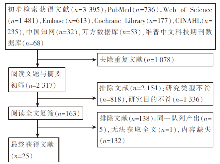
图1
文献筛选流程图"
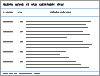
表1
纳入文献的基本特征(n=25)"
 |
| [1] |
Gräsner JT, Herlitz J, Tjelmeland IBM, et al. European resuscitation council guidelines 2021:epidemiology of cardiac arrest in Europe[J]. Resuscitation, 2021, 161:61-79.
doi: 10.1016/j.resuscitation.2021.02.007 |
| [2] |
Dwivedi DB, Ball J, Smith K, et al. Incidence and outcomes of out-of-hospital cardiac arrest from initial asystole:a systematic review and meta-analysis[J]. Resuscitation, 2025, 212:110629.
doi: 10.1016/j.resuscitation.2025.110629 |
| [3] |
Okada Y, Shahidah N, Ng YY, et al. Outcome assessment for out-of-hospital cardiac arrest patients in Singapore and Japan with initial shockable rhythm[J]. Crit Care, 2023, 27(1):351.
doi: 10.1186/s13054-023-04636-x |
| [4] | 白雪, 陈梦飞, 唐玉娇, 等. 心搏骤停流行病学调查及其危险因素研究现状[J]. 中华危重病急救医学, 2024, 36(4):445-448. |
| Bai X, Chen MF, Tang YJ, et al. Epidemiologic investigation of cardiac arrest and current research status on its risk factors analysis[J]. Chin Crit Care Med, 2024, 36(4):445-448. | |
| [5] | Barker M, Sekhon M, Krychtiuk KA, et al. Targeted temperature management after out-of-hospital cardiac arrest:integrating evidence into real world practice[J]. Can J Cardiol, 2023, 39(4):385-393. |
| [6] |
Chiu PY, Chung CC, Tu YK, et al. Therapeutic hypothermia in patients after cardiac arrest:a systematic review and meta-analysis of randomized controlled trials[J]. Am J Emerg Med, 2023, 71:182-189.
doi: 10.1016/j.ajem.2023.06.040 |
| [7] |
Wongtanasarasin W, Nishijima DK, Isaranuwatchai W, et al. Real-world cost-effectiveness of targeted temperature management in out-of-hospital cardiac arrest survivors:results from an aca-demic medical center[J]. World J Emerg Med, 2025, 16(1):28-34.
doi: 10.5847/wjem.j.1920-8642.2025.012 pmid: 39906108 |
| [8] |
Nielsen N, Wetterslev J, Cronberg T, et al. Targeted temperature management at 33 ℃ versus 36 ℃ after cardiac arrest[J]. N Engl J Med, 2013, 369(23):2197-2206.
doi: 10.1056/NEJMoa1310519 |
| [9] |
Dankiewicz J, Cronberg T, Lilja G, et al. Hypothermia versus normothermia after out-of-hospital cardiac arrest[J]. N Engl J Med, 2021, 384(24):2283-2294.
doi: 10.1056/NEJMoa2100591 |
| [10] |
Tirkkonen J, Skrifvars MB. Change of target temperature from 36 ℃ to strict fever avoidance only in comatose cardiac arrest survivors-A before and after study[J]. Resuscitation, 2023, 188:109796.
doi: 10.1016/j.resuscitation.2023.109796 |
| [11] |
Nolan JP, Neumar RW, Adrie C, et al. Post-cardiac arrest syndrome:epidemiology,pathophysiology,treatment,and prognostication. A Scientific Statement from the International Liaison Committee on Resuscitation;the American Heart Association Emergency Cardiovascular Care Committee;the Council on Cardiovascular Surgery and Anesthesia;the Council on Cardiopulmonary,Perioperative,and Critical Care;the Council on Clinical Cardiology;the Council on Stroke[J]. Resuscitation, 2008, 79(3):350-379.
doi: 10.1016/j.resuscitation.2008.09.017 |
| [12] |
Sekhon MS, Ainslie PN, Griesdale DE. Clinical pathophysiology of hypoxic ischemic brain injury after cardiac arrest:a “two-hit” model[J]. Crit Care, 2017, 21(1):90.
doi: 10.1186/s13054-017-1670-9 |
| [13] | Greif R, Bray JE, Djärv T, et al. 2024 International consensus on cardiopulmonary resuscitation and emergency cardiovascular care science with treatment recommendations:summary from the basic life dupport;sdvanced life support;pediatric life support;neonatal life support;education,implementation,and teams;and first aid task forces[J]. Circulation,2024, 150(24):e580-e687. |
| [14] |
金丁萍, 王飒, 王钰炜, 等. 创伤患者低体温影响因素及管理策略的范围综述[J]. 中华急危重症护理杂志, 2025, 6(9):1082-1088.
doi: 10.3761/j.issn.2096-7446.2025.09.009 |
| Jin DP, Wang S, Wang YW, et al. Factors influencing hypothermia in trauma patients and management strategies:a scoping review[J]. Chin J Emerg Crit Care Nurs, 2025, 6(9):1082-1088. | |
| [15] | Aromataris E, Lockwood C, Porritt K, et al. JBI Manual for Evidence Synthesis[EB/OL]. (2024)[2025-08-20]. https://synthesismanual.jbi.global. |
| [16] |
Takeda Y, Kawashima T, Kiyota K, et al. Feasibility study of immediate pharyngeal cooling initiation in cardiac arrest patients after arrival at the emergency room[J]. Resuscitation, 2014, 85(12):1647-1653.
doi: 10.1016/j.resuscitation.2014.09.014 pmid: 25263513 |
| [17] |
Debaty G, Maignan M, Savary D, et al. Impact of intra-arrest therapeutic hypothermia in outcomes of prehospital cardiac arrest:a randomized controlled trial[J]. Intensive Care Med, 2014, 40(12):1832-1842.
doi: 10.1007/s00134-014-3519-x |
| [18] |
Macchini E, Dillenbeck E, Jonsson M, et al. Intra-arrest therapeutic hypothermia and neurologic outcome in patients admitted after out-of-hospital cardiac arrest:a post hoc analysis of the princess trial[J]. Brain Sci, 2022, 12(10):1374.
doi: 10.3390/brainsci12101374 |
| [19] |
Yochum C, Utley R. Initiation of therapeutic hypothermia in the emergency department:a quality improvement project[J]. Adv Emerg Nurs J, 2017, 39(1):52-58.
doi: 10.1097/TME.0000000000000131 pmid: 28141610 |
| [20] |
Schenfeld EM, Studnek J, Heffner AC, et al. Effect of prehospital initiation of therapeutic hypothermia in adults with cardiac arrest on time-to-target temperature[J]. CJEM, 2015, 17(3):240-247.
doi: 10.2310/8000.2014.141307 |
| [21] |
Kämäräinen A, Virkkunen I, Tenhunen J, et al. Induction of therapeutic hypothermia during prehospital CPR using ice-cold intravenous fluid[J]. Resuscitation, 2008, 79(2):205-211.
doi: 10.1016/j.resuscitation.2008.07.003 pmid: 18809236 |
| [22] |
Bernard S, Buist M, Monteiro O, et al. Induced hypothermia using large volume,ice-cold intravenous fluid in comatose survivors of out-of-hospital cardiac arrest:a preliminary report[J]. Resuscitation, 2003, 56(1):9-13.
doi: 10.1016/S0300-9572(02)00276-9 |
| [23] |
Bernard SA, Gray TW, Buist MD, et al. Treatment of comatose survivors of out-of-hospital cardiac arrest with induced hypothermia[J]. N Engl J Med, 2002, 346(8):557-563.
doi: 10.1056/NEJMoa003289 |
| [24] |
Bernard SA, Jones BM, Horne MK. Clinical trial of induced hypothermia in comatose survivors of out-of-hospital cardiac arrest[J]. Ann Emerg Med, 1997, 30(2):146-153.
doi: 10.1016/s0196-0644(97)70133-1 pmid: 9250636 |
| [25] |
Bernard SA, Smith K, Cameron P, et al. Induction of therapeutic hypothermia by paramedics after resuscitation from out-of-hospital ventricular fibrillation cardiac arrest:a randomized controlled trial[J]. Circulation, 2010, 122(7):737-742.
doi: 10.1161/CIRCULATIONAHA.109.906859 |
| [26] |
Bernard SA, Smith K, Cameron P, et al. Induction of prehospital therapeutic hypothermia after resuscitation from nonventricular fibrillation cardiac arrest[J]. Crit Care Med, 2012, 40(3):747-753.
doi: 10.1097/CCM.0b013e3182377038 |
| [27] |
Look X, Li HH, Ng M, et al. Randomized controlled trial of internal and external targeted temperature management methods in post-cardiac arrest patients[J]. Am J Emerg Med, 2018, 36(1):66-72.
doi: 10.1016/j.ajem.2017.07.017 |
| [28] | Oceja IB, Martin FJG, Melendez AGDV, et al. Results of using a therapeutic hypothermia protocol after cardiac arrest:Design and application by an emergency medical service and a hospital emergency department[J]. Emergencias, 2012, 24(1):39-43. |
| [29] |
Scales DC, Cheskes S, Verbeek PR, et al. Prehospital cooling to improve successful targeted temperature management after cardiac arrest:a randomized controlled trial[J]. Resuscitation, 2017, 121:187-194.
doi: S0300-9572(17)30650-0 pmid: 28988962 |
| [30] |
Srivilaithon W, Muengtaweepongsa S. The outcomes of targeted temperature management after cardiac arrest at emergency department:a real-world experience in a developing country[J]. Ther Hypothermia Temp Manag, 2017, 7(1):24-29.
doi: 10.1089/ther.2016.0014 pmid: 27835072 |
| [31] |
Takeuchi I, Takehana H, Satoh D, et al. Effect of hypothermia therapy after outpatient cardiac arrest due to ventricular fibrillation[J]. Circ J, 2009, 73(10):1877-1880.
pmid: 19661722 |
| [32] |
Uray T, Haugk M, Sterz F, et al. Surface cooling for rapid induction of mild hypothermia after cardiac arrest:design determines efficacy[J]. Acad Emerg Med, 2010, 17(4):360-367.
doi: 10.1111/acem.2010.17.issue-4 |
| [33] |
Uray T, Mayr FB, Stratil P, et al. Prehospital surface cooling is safe and can reduce time to target temperature after cardiac arrest[J]. Resuscitation, 2015, 87:51-56.
doi: 10.1016/j.resuscitation.2014.10.026 pmid: 25447355 |
| [34] |
Youn CS, Park KN, Kim SH, et al. The cumulative partial pressure of arterial oxygen is associated with neurological outcomes after cardiac arrest treated with targeted temperature management[J]. Crit Care Med, 2018, 46(4):e279-e285.
doi: 10.1097/CCM.0000000000002935 |
| [35] |
Kämäräinen A, Virkkunen I, Tenhunen J, et al. Prehospital thera-peutic hypothermia for comatose survivors of cardiac arrest:a randomized controlled trial[J]. Acta Anaesthesiol Scand, 2009, 53(7):900-907.
doi: 10.1111/j.1399-6576.2009.02015.x pmid: 19496762 |
| [36] |
Kim F, Nichol G, Maynard C, et al. Effect of prehospital induction of mild hypothermia on survival and neurological status among adults with cardiac arrest:a randomized clinical trial[J]. JAMA, 2014, 311(1):45-52.
doi: 10.1001/jama.2013.282173 |
| [37] |
Kim F, Olsufka M, Longstreth WT Jr, et al. Pilot randomized clinical trial of prehospital induction of mild hypothermia in out-of-hospital cardiac arrest patients with a rapid infusion of 4 degrees C normal saline[J]. Circulation, 2007, 115(24):3064-3070.
pmid: 17548731 |
| [38] |
Kliegel A, Janata A, Wandaller C, et al. Cold infusions alone are effective for induction of therapeutic hypothermia but do not keep patients cool after cardiac arrest[J]. Resuscitation, 2007, 73(1):46-53.
pmid: 17241729 |
| [39] |
Kliegel A, Losert H, Sterz F, et al. Cold simple intravenous infusions preceding special endovascular cooling for faster induction of mild hypothermia after cardiac arrest:a feasibility study[J]. Resuscitation, 2005, 64(3):347-351.
doi: 10.1016/j.resuscitation.2004.09.002 |
| [40] | Skulec R, Truhlár A, Seblová J, et al. Pre-hospital cooling of patients following cardiac arrest is effective using even low volumes of cold saline[J]. Crit Care, 2010, 14(6):R231. |
| [41] |
Yenari MA, Han HS. Neuroprotective mechanisms of hypothermia in brain ischaemia[J]. Nat Rev Neurosci, 2012, 13(4):267-278.
doi: 10.1038/nrn3174 pmid: 22353781 |
| [42] | Perman SM, Elmer J, Maciel CB, et al. 2023 American Heart Association focused update on adult advanced cardiovascular life support:an update to the American Heart Association guidelines for cardiopulmonary resuscitation and emergency cardiovascular care[J]. Circulation,2024, 149(5):e254-e273. |
| [43] |
Nolan JP, Sandroni C, Andersen LW, et al. ERC-ESICM guidelines on temperature control after cardiac arrest in adults[J]. Resuscitation, 2022, 172:229-236.
doi: 10.1016/j.resuscitation.2022.01.009 pmid: 35131119 |
| [44] |
Kawahara N, Takayama W, Morishita K, et al. Effects of prehospital advanced airway management on cardiac arrest patients who underwent extracorporeal cardiopulmonary resuscitation[J]. Sci Rep, 2025, 15(1):10670.
doi: 10.1038/s41598-025-95176-7 |
| [45] |
Shin J, Kim J, Song K, et al. Core temperature measurement in therapeutic hypothermia according to different phases:Comparison of bladder,rectal,and tympanic versus pulmonary artery methods[J]. Resuscitation, 2013, 84(6):810-817.
doi: 10.1016/j.resuscitation.2012.12.023 |
| [46] |
Sweeting P, Murphy M, Geraghty S, et al. Peripheral thermometry:Agreement between non-touch infrared versus traditional modes in an adult population[J]. J Adv Nurs, 2022, 78(2):425-433.
doi: 10.1111/jan.v78.2 |
| [47] | Perkins GD, Neumar R, Hsu CH, et al. Improving outcomes after post-cardiac arrest brain injury:a scientific statement from the international liaison committee on resuscitation[J]. Circulation, 2024, 150(7):e158-e180. |
| [48] |
Callaway CW. Targeted temperature management with hypothermia for comatose patients after cardiac arrest[J]. Clin Exp Emerg Med, 2023, 10(1):5-17.
doi: 10.15441/ceem.23.012 pmid: 36796779 |
| [49] |
Nolan JP, Sandroni C, Böttiger BW, et al. European Resuscitation Council and European Society of Intensive Care Medicine guidelines 2021:post-resuscitation care[J]. Intensive Care Med, 2021, 47(4):369-421.
doi: 10.1007/s00134-021-06368-4 |
| [1] | 赵飞, 陈洁莹, 毛越, 姚梅琪, 金静芬. 慢性心力衰竭急性失代偿期患者症状群及其预警症状的识别研究[J]. 中华急危重症护理杂志, 2026, 7(9): 1036-1043. |
| [2] | 袁鹏英, 陈金璐, 罗毅, 冯林, 甘琦琳, 钟咏梅. 危重患儿桡动脉置管失败风险预测模型的构建及验证[J]. 中华急危重症护理杂志, 2026, 7(9): 1044-1051. |
| [3] | 柳秋红, 柏慧华, 虞杨, 镇雨珊, 尹君莲, 杨婷. 脑卒中吞咽障碍信息化管理平台的构建及应用研究[J]. 中华急危重症护理杂志, 2026, 7(9): 1052-1059. |
| [4] | 沈丹萍, 高昕, 高欣, 汪礼璐, 戴珂珂. 二级库房信息系统在ICU一次性耗材精益管理中的应用研究[J]. 中华急危重症护理杂志, 2026, 7(9): 1060-1066. |
| [5] | 黄水秀, 梁莉, 张伟, 赵宇. 人文关怀理念下急诊智能化需求问答程序的设计与应用研究[J]. 中华急危重症护理杂志, 2026, 7(9): 1076-1081. |
| [6] | 余严超, 高欣, 翁峰霞, 卫建华, 桑明, 朱永康, 陈小艳. 人工智能在重症护理领域中应用的范围综述[J]. 中华急危重症护理杂志, 2026, 7(9): 1082-1088. |
| [7] | 曹渝龙, 高燕, 甘秀妮. 《急诊科急性行为障碍管理指南(第3版)》解读[J]. 中华急危重症护理杂志, 2026, 7(9): 1089-1095. |
| [8] | 钟晨晨, 张丽萍, 文佳祺, 叶燕, 刘于. 成人心肌炎患者症状体验及多维度应对的质性研究[J]. 中华急危重症护理杂志, 2026, 7(9): 1096-1100. |
| [9] | 李园园, 范晓丹, 彭冬来, 朱晓丽, 樊政霞, 莫艳兰, 丁韵. 重度肥胖患者多发创伤性骨折伴经期出血的多学科协作护理[J]. 中华急危重症护理杂志, 2026, 7(9): 1101-1103. |
| [10] | 黄丹丹, 朱淑婷, 陈曦, 宋剑平. 马凡综合征并发恶性心律失常患者行血管外植入型心律转复除颤器治疗的护理[J]. 中华急危重症护理杂志, 2026, 7(9): 1104-1107. |
| [11] | 丁杨, 庄一渝, 黄瑞盈, 叶姗. 椎动脉支架术后并发延髓梗死伴贲门黏膜撕裂患者的护理[J]. 中华急危重症护理杂志, 2026, 7(9): 1112-1114. |
| [12] | 施凤双, 陈丽骊, 李柳青, 魏梦荻, 诸纪华. 早产儿消化道畸形伴喉软化行气管切开的分期救治护理[J]. 中华急危重症护理杂志, 2026, 7(9): 1115-1118. |
| [13] | 张瑞, 王飒, 丁幼芽, 许书荣, 王钰炜. 高压力情境密室逃脱训练在急诊体外膜肺氧合护理团队能力提升中的应用[J]. 中华急危重症护理杂志, 2026, 7(9): 1119-1124. |
| [14] | 李相濡, 周红, 耿敬, 毛方菊, 周娟, 徐晨阳, 刘强. 脑卒中患者误吸风险预测模型的系统评价[J]. 中华急危重症护理杂志, 2026, 7(9): 1132-1139. |
| [15] | 胥喆, 俞超, 伍潇丽. 双侧颈内静脉血栓患者PICC置管中行磁导航联合心腔内心电技术的护理配合[J]. 中华急危重症护理杂志, 2026, 7(9): 1150-1152. |
| 阅读次数 | ||||||
|
全文 |
|
|||||
|
摘要 |
|
|||||
